

"Fatal Conceits"
by Joel Bowman
Buenos Aires, Argentina - "What is it, we wonder, that stirs the crowd? That swells the chest and moves the masses? From wild stock market manias… to the sound of trumpets on the battlefield… to belting out national anthems, hands on hearts, before sports matches…Is it the sense of wanting to belong to “something bigger”? Is it a case of mass psychology permeating our vastly interconnected world?
Or is it, as some folk have suggested, a replacement for religion in an increasingly secularized (Western) world? Among English-speaking peoples, from Europe to Australia, Canada to South Africa, fewer people identify with organized religion than they did a generation ago. Even in the United States of America, “One country, under God,” church attendance has declined significantly during our lifetime.
According to Pew Research, the share of Americans identifying as Christian fell from roughly 85–90% in the early 1990s to 62% as of the 2023–24 Religious Landscape Study. Meanwhile, the so-called “religiously unaffiliated” more than tripled, from about 8% to 29%. So what do people pour into this “gap of the gods”? Hmm…
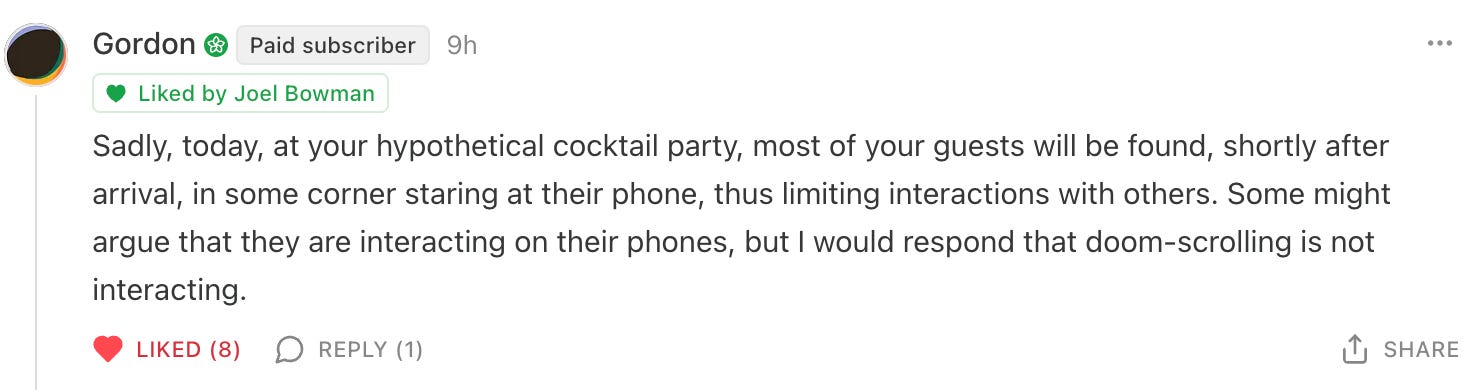
Click image for larger size.
Our reader’s observation recalled to mind the myth of Narcissus. A fatally handsome young man, he arrogantly scorned all those who courted him, including the poor nymph, Echo, who suffered his rejection until she wasted away to nothing… save the sound of her voice in the woods.
As punishment for his pride, the god Nemesis led Narcissus to a drinking pool, where he left the conceited mortal to fall under the spell of his own reflection. Unable to differentiate reflection from reality, Narcissus soon became hopelessly enamored with himself. Whenever he would reach for his beloved reflection, the waters would ripple and the image would disappear. Then, in his sullen melancholy, the beautiful face would return, luring his attention back to the pool anew.
Marooned between desire and impossibility, the helpless youth remained beside the pool, unable to eat, sleep, or turn away. Too late he realized, writes the great Roman poet, Ovid: “I am he.” Even when Narcissus understood that the object of his love was himself, the realization brought no relief. Unable to possess what he desired, he wasted away and died beside the water. And where his body had lain, goes the story, a flower appeared, the narcissus, which bears his name today.
It’s interesting to note that it is not the image itself that proves fatal for our young Narcissus, but his inability to draw his attention away from it, to involve himself in the world, to make real connections with those around him."


No comments:
Post a Comment